
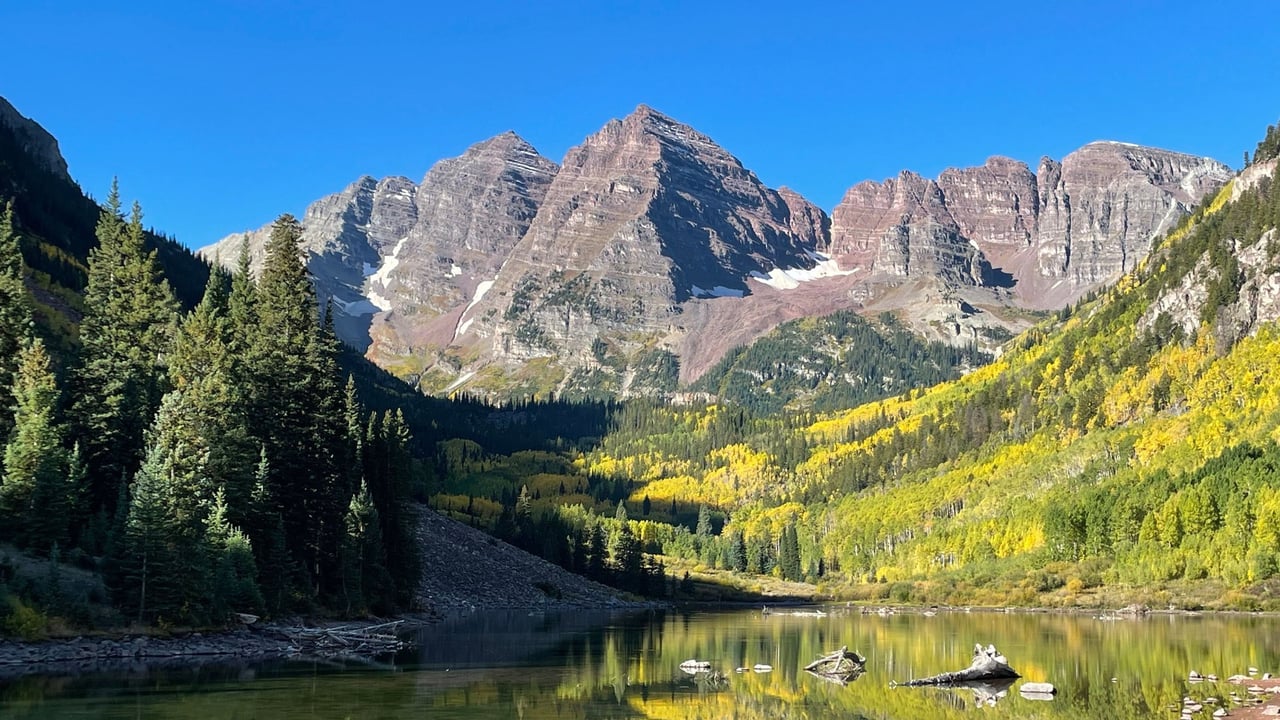
The reservation kiosks went quiet at the end of October. Since Sunday, Nov. 1, parking at Maroon Lake has been first-come, first-served. Monday, Nov. 9 is the last day to visit, and on Tuesday, Nov. 10, Maroon Creek Road closes to vehicles for the winter. The road typically reopens around May 15, and the next time it does, the Scenic Area at the top will have a different operator.
On Oct. 30, the White River National Forest approved a five-year special use permit that gives Pitkin County day-to-day management of the Maroon Bells Scenic Area. That means this weekend's drive past Aspen Highlands and up the valley is the last one of the Forest Service era. The county's expanded role begins with the 2027 operating season, and it covers the lake, the campgrounds and the fees.
How the Season Winds Down
In 2026 the Bells closed in stages, and the dates line up like this:
- Sunday, Oct. 18. Last day of shuttle service from the Maroon Bells Welcome Center at Aspen Highlands.
- Monday, Oct. 19. Parking reservations became the only way in, and the arrive-before-8 a.m. rule was lifted.
- Saturday, Oct. 31. Reservations ended.
- Sunday, Nov. 1, through Monday, Nov. 9. First-come, first-served parking at Maroon Lake.
- Tuesday, Nov. 10. Maroon Creek Road closes for the winter season.
- Spring. The road typically reopens around May 15.
From publish day, that leaves Thursday, Friday, the weekend and Monday. The Visit Maroon Bells notice says there is no water at the Maroon Lake Trailhead, so bring your own.
Who Runs the Bells When the Gate Opens
Under the permit the Scenic Area stays National Forest System land, and Pitkin County takes over operations of the front country most visitors know. That covers the day-use areas, campgrounds, trails, roads and related infrastructure. The Maroon Bells-Snowmass Wilderness, where the peaks themselves sit, stays outside the permit, and the Forest Service keeps oversight by approving an annual operating plan.
The county is not new to the valley. It already manages the only access road, has jurisdiction over the Brush Creek and Buttermilk parking areas used by shuttle riders, and provides law enforcement and search and rescue support. Under a 2025 memorandum of understanding, it also hired a Maroon Bells manager.
"Pitkin County has been helping us manage the Maroon Bells Scenic Area for 50 years, and this permit is a natural expansion of that partnership." Aspen-Sopris District Ranger Jennifer Schuller, in the Forest Service announcement
The county's Sept. 23 release explains the change in plain terms. Deferred maintenance at the Scenic Area is estimated at $5 million to $7 million, and without a bigger county role, the Forest Service had been considering a private concessionaire. The permit's initial five-year term can be renewed for another five, and the county's expanded role begins with the 2027 operating season. Commissioners adopted the permit as Ordinance No. 032-2026 at the Sept. 23 hearing, and Resolution No. 099-2026 set up a Maroon Bells Enterprise Fund.
A $10 Fee That Dates to the Late '90s
The enterprise fund is the reason the handover matters. In 2026 the posted parking price at Maroon Lake was $10 per vehicle from May 15 through Oct. 31. According to Aspen Daily News reporting republished by Aspen Public Radio, that day-use fee has stayed the same since it took effect nearly three decades ago. As a special use permit holder, the county has more room to raise fees than the Forest Service does on its own.
When commissioners approved the permit on first reading on Sept. 9, the county also proposed this 2027 fee schedule:
Item | Current | Proposed for 2027 |
|---|---|---|
Passenger vehicle day use | $10 | $30 |
Wilderness permit overnight parking | $10 | $30 |
Season pass | $25 | $75 |
Parking reservation no-show fee | $10 | $20 |
Motorcycle and e-bike | $5 | $10 |
E-bike annual pass | none | $30 |
Maroon Creek valley campgrounds, per night | $15 | $33 |
East Maroon Portal day use | $10 | $10 |
Shuttle, advance, teens and adults | $16 | $16 |
Shuttle, advance, kids and seniors | $10 | $10 |
These figures are the first-reading proposal as Aspen Public Radio reported it, so treat them as proposed rates. The same report says riding a non-electric bike would stay free. It also says the America the Beautiful pass would likely not be accepted under county management, according to Pitkin County Open Space and Trails Director Gary Tennenbaum.
"We're not trying to change anything at the Maroon Bells. We're just trying to manage it sustainably, and that takes money." Gary Tennenbaum, as reported by the Aspen Daily News via Aspen Public Radio
The money is also smaller than the headline numbers suggest. The Aspen Daily News reported on Oct. 14 that the proposed 2027 budget for the Maroon Bells enterprise fund is nearly $1.1 million, about 0.2% of county spending. In its first year, the fund would pay an existing facilities-and-operations supervisor and eight seasonal positions. The fees collected at the lake stay at the lake, and next summer's price at the gate pays for a seasonal crew.
The Road West Aspen Keeps Through the Winter
The proposed schedule leaves the ways locals already reach the Bells untouched: a non-electric bike next summer, the East Maroon Portal at $10, and the winter road. Starting Tuesday, the road is the only way in.
The Visit Maroon Bells notice says the Bells are "inaccessible" once the road closes, meaning closed to cars. The Aspen Chamber puts the winter closure at T-Lazy-7 Ranch and describes walking, biking, cross-country skiing and snowmobiling from there, with Maroon Lake about seven miles up the road. Aspen Snowmass lists cross-country skiing, snow biking, snowshoeing, hiking and snowmobiling, and describes the trip as a 12.4-mile round trip.
Snow turns the road into a ski track. Aspen Nordic says T-Lazy-7 typically grooms the snow-covered road nightly from the ranch to Maroon Lake. That's about 10 kilometers with roughly 1,400 feet of climbing, and skiers are asked to respect the snowmobile tours that share it. T-Lazy-7 Ranch lists its snowmobile season as "November to April," with trips to the Bells running when weather allows. All of this depends on conditions. A dry November after the gate closes is still a closed road, with nothing groomed yet.
When the Valley Goes Quiet
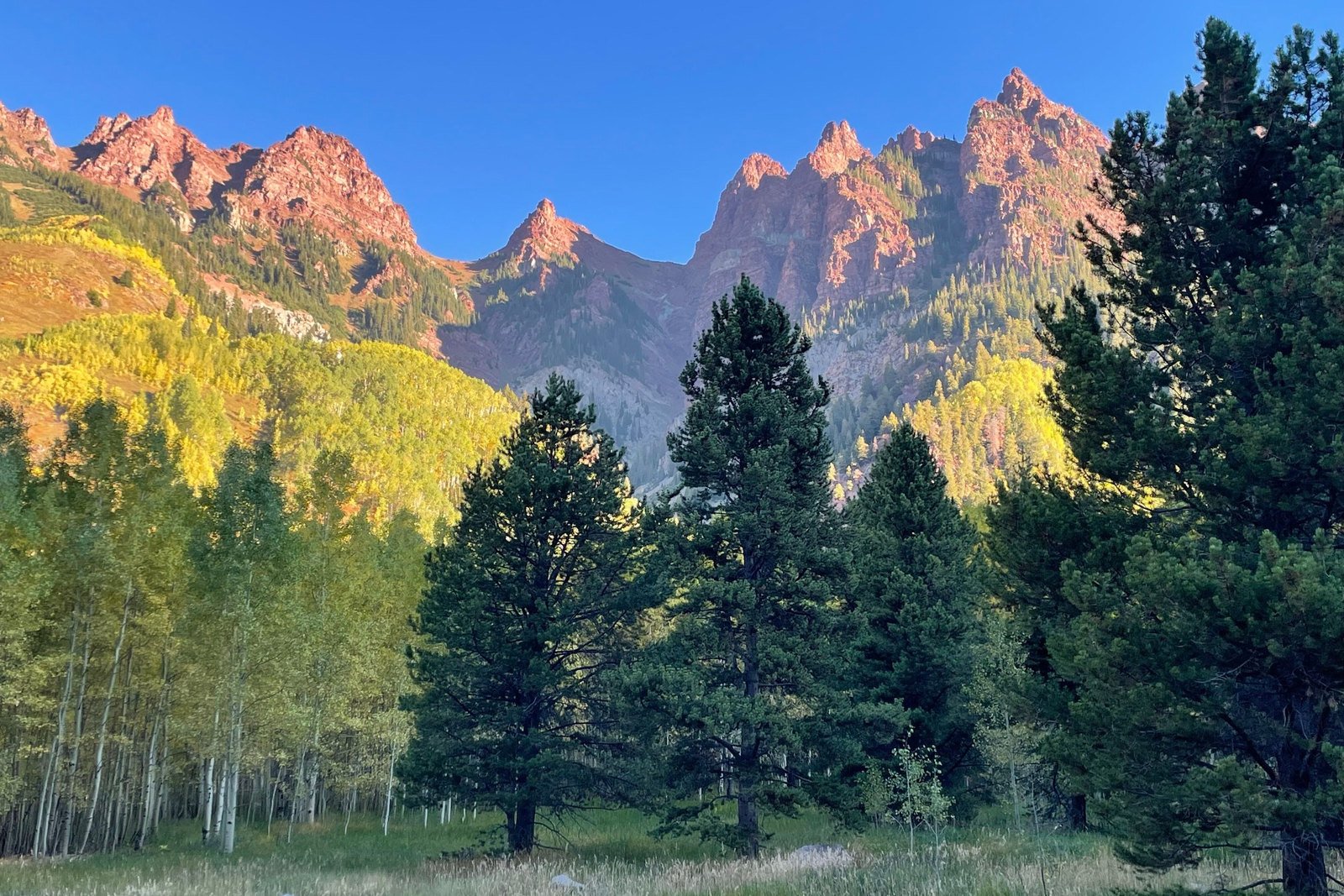
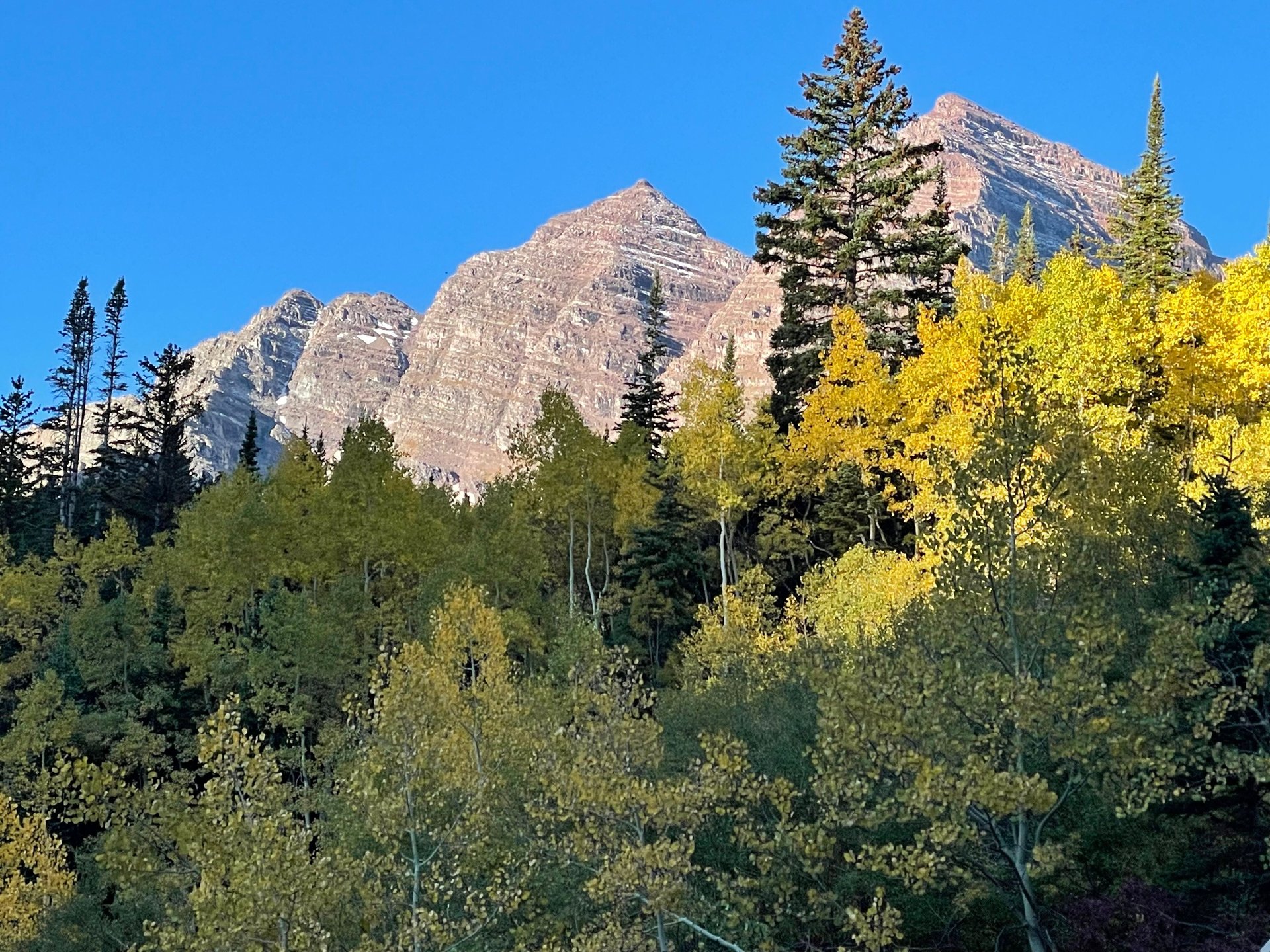
After more than 30 years in Aspen, this is one of my favorite times to experience Maroon Creek Valley. In summer, it can be a zoo. By fall, the road is full of cyclists and e-bikes enjoying the changing colors. But come November, the crowds thin out, and you're more likely to encounter a handful of locals on their bikes or roller skis, getting in a little conditioning before ski season.
There's something wonderful about the crisp morning air and the unmistakable feeling of winter moving into the valley. Soon, the road will transition from a playground for hikers and cyclists to a winter route for cross-country skiers, snowshoers and snowmobilers, with backcountry skiers venturing into the surrounding mountains.
What I appreciate most is the change in atmosphere. A place that attracts visitors from around the world becomes remarkably quiet and remote again. The mountains haven't changed, of course. But the experience certainly has. It's one of those seasonal transitions that reminds me why I love living here.
Five Weeks Before the Lifts
The road closure starts a five-week stretch before the lifts turn. Aspen Highlands and Buttermilk are both scheduled to open Dec. 12, 2026. In the meantime, uphill skiing on West Aspen's two home mountains has its own rules, which started Nov. 1:
- Uphill straps are required on all four mountains from Nov. 1, 2026, through April 18, 2027.
- Uphilling is allowed daily from 5 a.m. to 10:30 p.m.
- At Aspen Highlands, uphillers must reach the Merry-Go-Round by 8:30 a.m.
- The Uphill Pass is $74, with $10 going to Mountain Rescue Aspen, and is included with a Premier Pass.
- Uphilling is allowed only on designated routes, and closures for early-season snowmaking and mountain prep are announced in the Aspen Snowmass App.
The Aspen Snowmass uphill page has the full policy. Check the app for which routes are open on a given morning.
On the other side of the neighborhood, Owl Creek Road is finishing its airport-related work. The Aspen/Pitkin County Airport's Oct. 29 update told drivers to expect intermittent daytime and nighttime lane closures through the first three weeks of November for shoulder, drainage and finishing work, with temporary signals switched back on as needed. Crews are also paving the new Owl Creek Trail alignment, and trail users will move onto it once paving is done.
That leaves this weekend and Monday for a last drive to Maroon Lake while the Forest Service still runs the Scenic Area. After Tuesday, the way up is on skis, a snow bike or snowshoes from T-Lazy-7, until the road reopens in spring and the county's 2027 operating season begins.
Joshua has lived in Aspen for more than 30 years, and he follows changes like the Maroon Bells handover because they shape how the west side of town works from season to season. If you'd like to talk about West Aspen, Maroon Creek Road, or what the county's new role could mean for summer 2027, reach out to Joshua Landis. Let's Connect.
All photographs © Joshua Landis